-
Full Text of the 1851 Treaty of Fort Laramie
The Treaty of Fort Laramie of 1851 — known to the Lakota as the Treaty of Long Meadows — was…
-
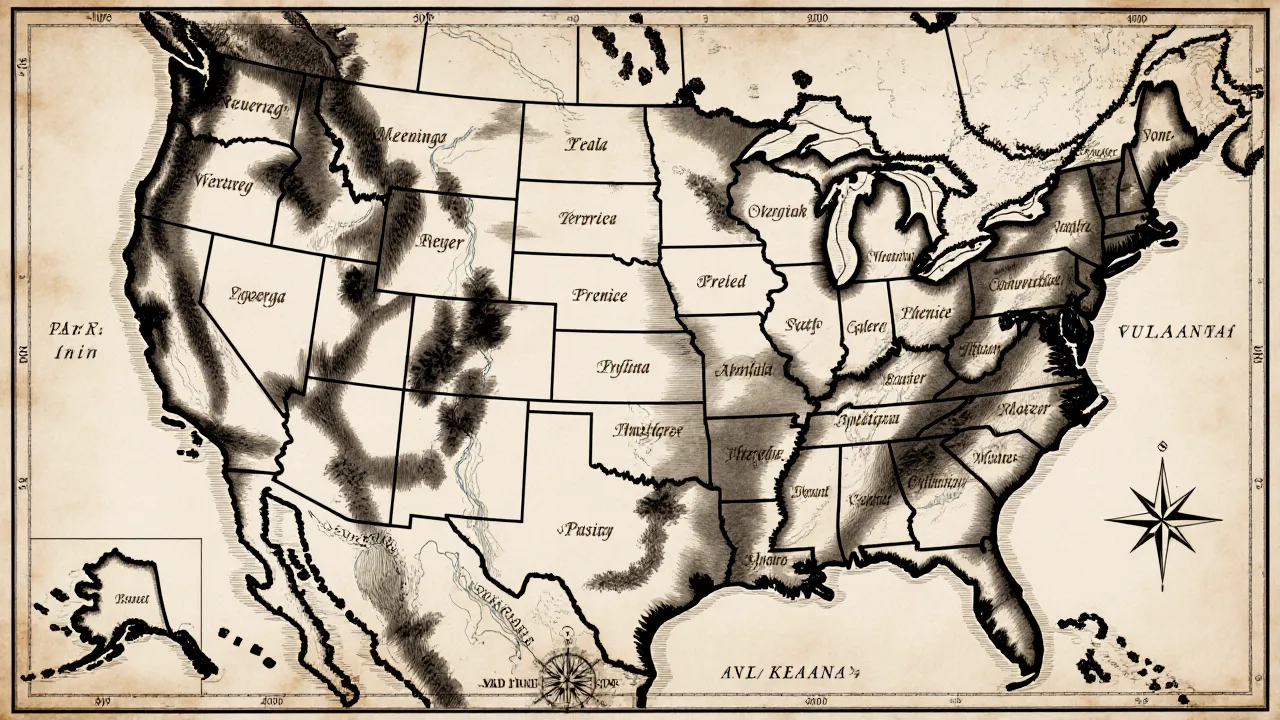
The Boundaries Defined by the 1851 Treaty of Fort Laramie
One of the central purposes of the 1851 Treaty of Fort Laramie was to map the northern and central Great…
-
Signatory Nations of the 1851 Treaty of Fort Laramie
The 1851 Treaty of Fort Laramie — the Horse Creek Treaty — was signed by the United States and eight…
-
The 1851 vs. 1868 Treaty of Fort Laramie: What Changed?
The name “Treaty of Fort Laramie” refers to two very different agreements signed seventeen years apart at the same frontier…
-
Genocide: Systematic Harm to a People by Another
The word genocide was created in the twentieth century to name a crime that had long existed but lacked a…
-
United States Constitution (Article I & Vi)
Two parts of the United States Constitution are especially important for understanding the legal status of treaties made with Native…
-
What Is “Oyate Omniciye”?
The phrase Oyate Omniciye comes from the Lakota language and points to one of the most enduring ideas in the…
-

Governing Manners
Long before written constitutions came to the Northern Plains, the nations who lived there governed themselves through well-developed traditions of…
-
Indigenous Red Nations & Peoples and the Genocide Convention Implementation (Proxmire Act) of 1987
The United States played an active role in drafting the 1948 Genocide Convention and signed it that same year. Yet…
-

Why Is the 1851 Treaty Still Relevant in Modern Times?
The Treaty of Fort Laramie, also known as the 1851 Treaty, holds enduring significance, not just for its historical context…
Fort Laramie Treaty of 1851
(Horse Creek Treaty)
